
A floating floor is one of the quickest and cleanest ways to give a room a fresh new look. Instead of being glued or nailed to the subfloor, the boards connect to each other and rest on an underlay, so the whole floor “floats” above the surface. At Ali Timber Flooring, we provide professional floating floor installation across Caulfield and Melbourne, for homes, apartments and commercial spaces.
Our team prepares the subfloor, fits the right underlay and installs your boards with accurate spacing and neat finishing, so your floor looks great and performs for years. Get a free quote today.
A floating floor is a flooring system where the boards are not fixed directly to the subfloor. Instead, the planks join together using a click-lock or tongue-and-groove system, forming one large connected surface that rests on top of an underlay. A small gap is left around the edges of the room, hidden under the skirting boards, so the floor has space to expand and contract naturally.
Because the floor is not attached to the base, installation is fast, clean and usually requires no adhesive or nails. Floating installation is used for many popular products, including hybrid flooring, laminate flooring and some engineered timber.


Each plank has a locking profile along its edges. When the boards are pressed or angled together, they lock tightly, forming a stable, connected floor. The underlay beneath adds cushioning, reduces noise and helps protect against minor moisture from the subfloor.
The weight of the floor, the locked joints and the skirting boards around the edges hold everything in place. The edge gap allows the floor to move slightly as temperature and humidity change, which helps prevent buckling and gaps.
The adhesive cures over time, locking the boards to the subfloor. Because the whole board is bonded to the base, there are no hollow spots underneath, which gives the floor a solid feel and reduces noise when you walk on it.
Fast installation. Without adhesive or nails, floating floors can usually be installed quickly, which means less disruption to your home or business.
Clean and low-mess. There is no glue, no strong fumes and little dust, so the process is tidy.
Suitable for many subfloors. Floating floors can be installed over concrete slabs and many timber subfloors, as long as the surface is flat, clean and dry.
Comfortable underfoot. The underlay adds a layer of cushioning, so the floor feels softer and warmer than bare hard surfaces.
Reduced noise. A good underlay helps absorb sound, which is helpful in apartments, bedrooms and upstairs rooms.
Easier to repair or replace. Individual planks can often be lifted and replaced, and the whole floor can be removed more easily than a glued-down floor.
Works with a wide range of products. Hybrid, laminate and some engineered timber floors can be installed using a floating method.
Budget-friendly. Faster installation and no adhesive can help keep the total cost down.


The right installation method depends on your subfloor, your product and how you want the floor to feel.
Floating floor rests on an underlay and locks together. It is quick, clean and flexible, but can sound slightly hollower than a bonded floor and needs a very flat surface.
Direct stick (glue-down) bonds the boards fully to the subfloor. It feels more solid and quiet, but needs more preparation and is harder to remove later.
Nail-down fixes boards to timber joists or battens. It is a traditional method suited only to timber subfloors.
For many renovations, especially where speed, cleanliness and flexibility matter, a floating floor is an excellent choice. We can advise which method suits your property best.
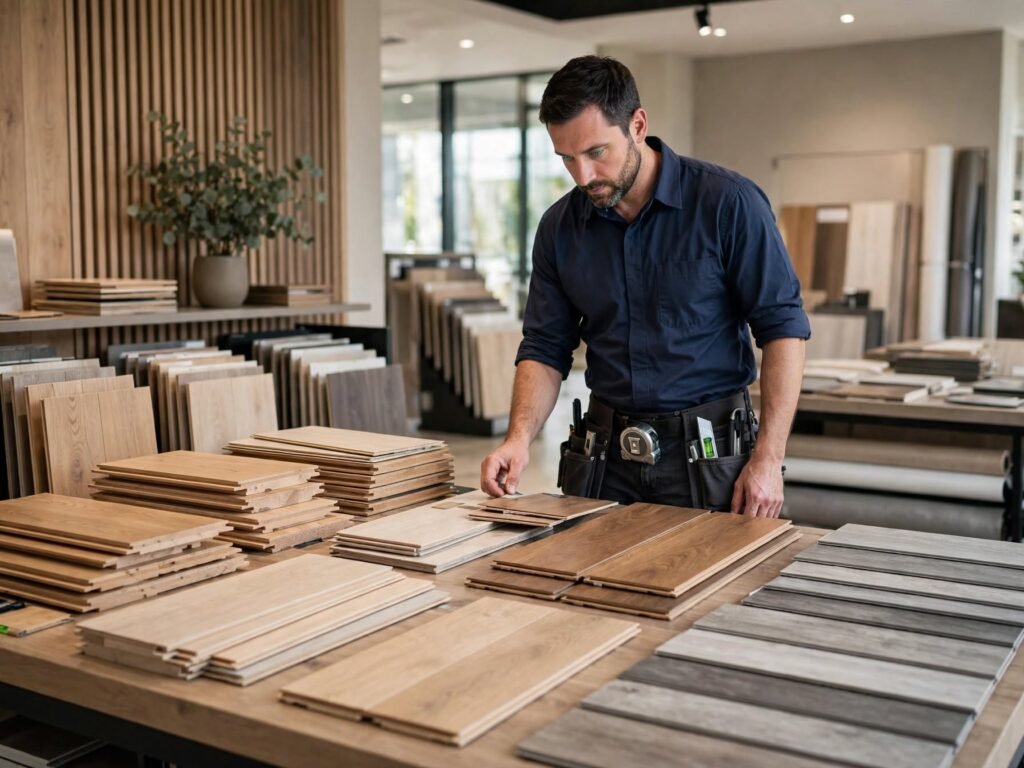
Hybrid flooring. Tough, stable and water-resistant, hybrid planks use click-lock joints and are one of the most popular floating floor products in Melbourne.
Laminate flooring. An affordable option with a wide range of timber-look designs, laminate floors are commonly installed as floating floors.
Engineered timber. Many engineered timber products can be floated, giving you a real timber surface with a quick installation.
Always check that your chosen product is suitable for floating installation, since manufacturers set their own requirements.
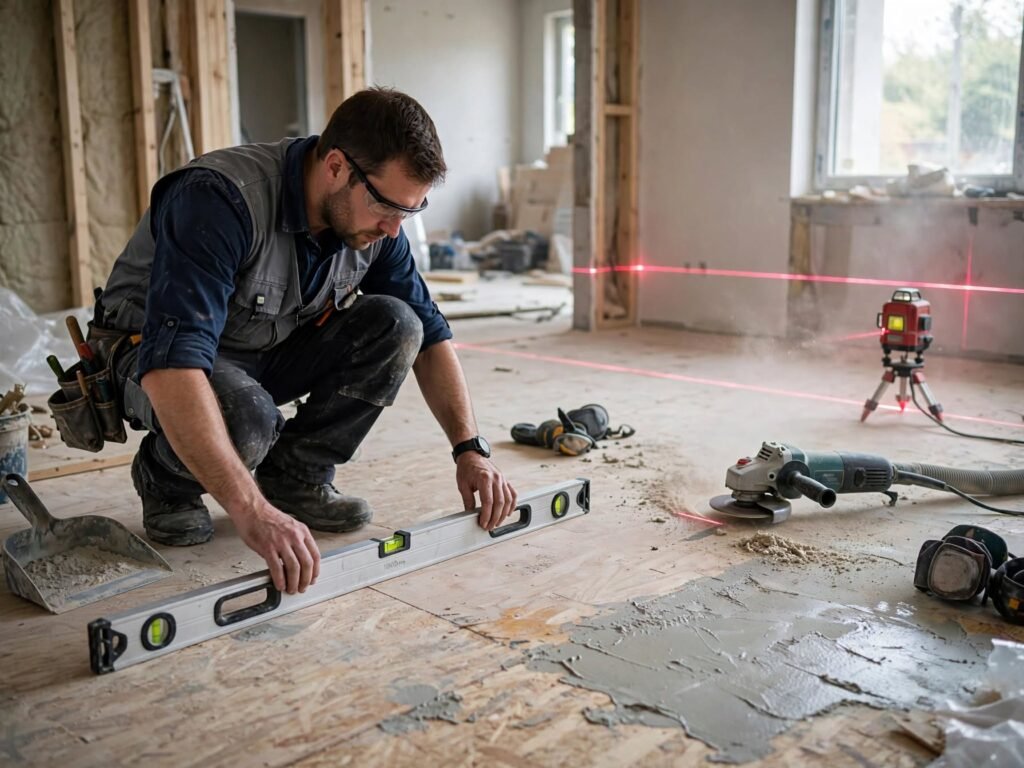
A floating floor relies on its locking joints to hold together, and those joints are only as reliable as the surface beneath them. If the subfloor has dips or humps, the planks can flex, the joints can wear or separate, and the floor can become noisy, bouncy or damaged. Many manufacturers also require the subfloor to be flat within a certain tolerance to keep the warranty valid.
That is why preparation is so important. Our subfloor levelling service creates a smooth, even base, while our joist repair service strengthens weak timber structures. If you already have noise problems, our squeaky noise fix service can solve them before the new floor goes down. Because we handle everything together, your project stays simple and well coordinated.
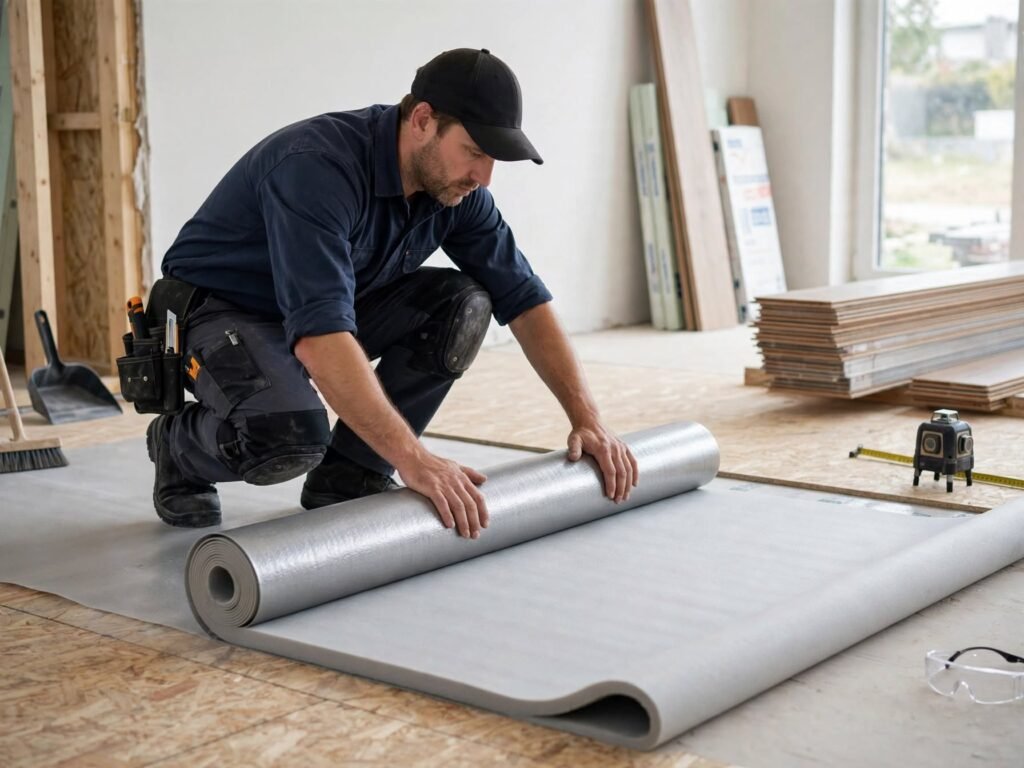
Underlay is a thin layer fitted between the subfloor and the floating boards, and it does several important jobs. It cushions the floor, reduces footstep noise, smooths out very small surface imperfections and, depending on the type, helps manage moisture from the subfloor or adds insulation.
Some floating products come with an underlay already attached, while others need a separate one. Choosing the right underlay for your floor type and subfloor matters, and we help you pick the best option for your project.

1. Free consultation and quote. We visit your property, inspect the subfloor and discuss your style, budget and floor type.
2. Subfloor assessment. We check the surface for flatness, moisture and condition, since these affect how well a floating floor performs.
3. Subfloor preparation. We remove old flooring, clean the area, and level or repair the surface where needed.
4. Underlay installation. We lay the right underlay for your floor, taking care with joins and edges.
5. Plank installation. We lock the boards together with correct stagger, tight joints and the right expansion gaps around walls, doors and fixed objects.
6. Finishing touches. We fit skirting, trims and stair nosing where needed, so the floor looks complete.
7. Final check and clean-up. We inspect the finished floor and leave your home or business clean and tidy.
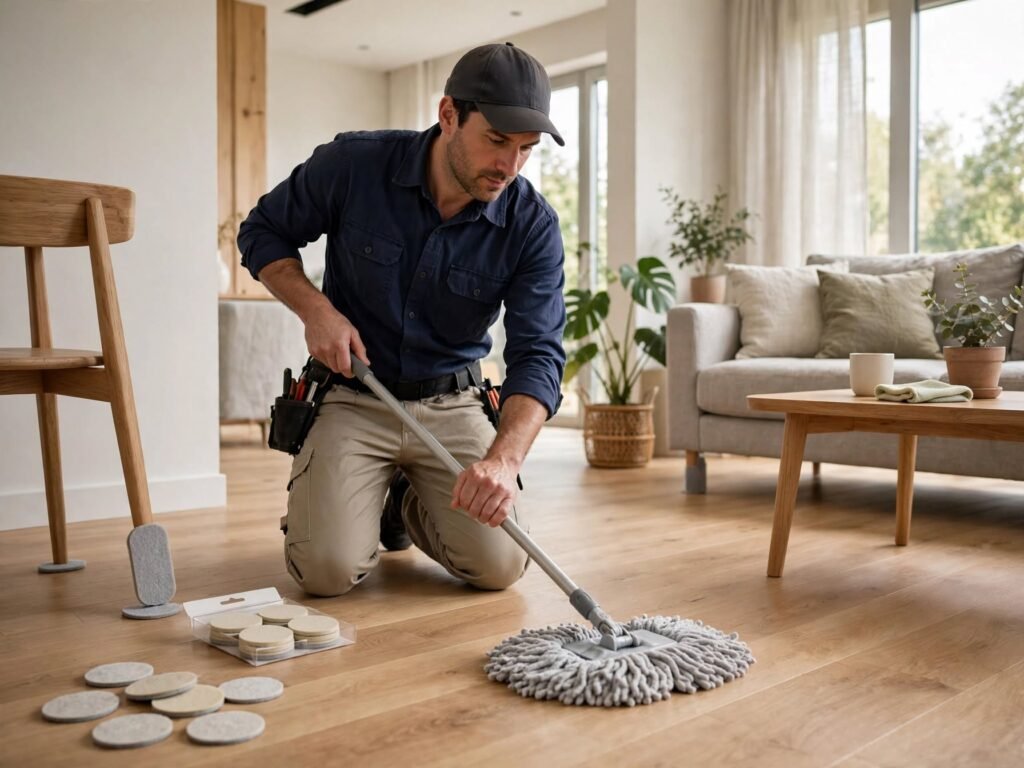
Floating floors are easy to maintain. Sweep or vacuum regularly to remove grit, and clean with a lightly damp mop and a product suited to your floor type. Avoid flooding the surface with water, wipe spills quickly and use felt pads under furniture. Use mats at entrances, and do not drag heavy items across the boards. Following the manufacturer’s care instructions will keep your floor looking good for many years.
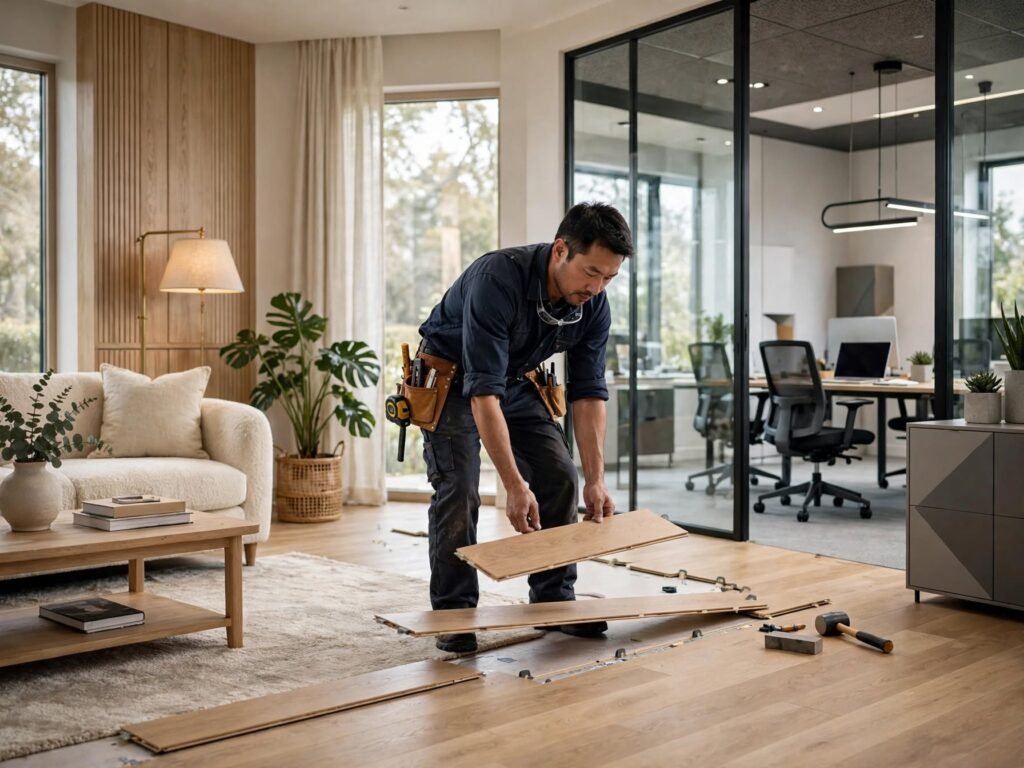
In homes, floating floors suit living areas, bedrooms, hallways, apartments and rental properties, thanks to their speed and flexibility. In commercial spaces such as offices, shops and showrooms, a floating floor can be installed quickly with minimal disruption to your business. We plan commercial installations to keep downtime low wherever possible.
We are flooring specialists, so we understand how underlay, joints and subfloors work together to produce a lasting result. You deal with one team from the first inspection through to the final clean-up.
We offer honest, upfront pricing with a clear quote before work starts. Our customers regularly mention how fast and well-organised our jobs run. We are based in Caulfield, serve surrounding Melbourne suburbs and treat every property with care.
We provide floating floor installation in Caulfield, Oakleigh, Brighton, Glen Waverley, Canterbury and surrounding Melbourne suburbs.

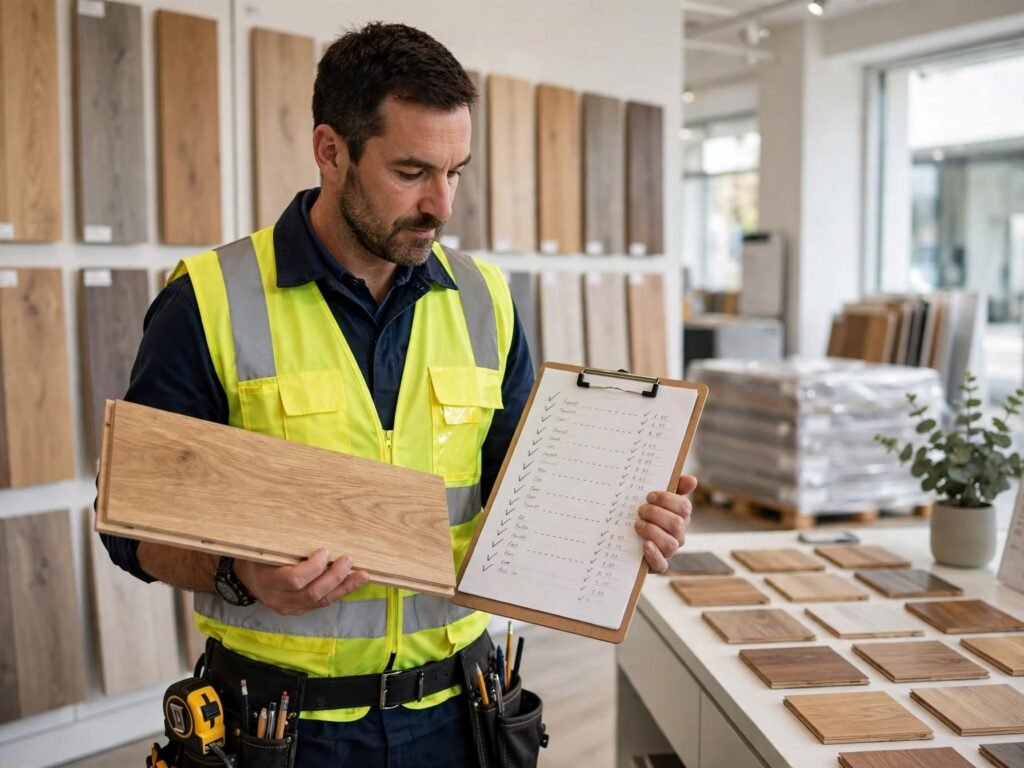
The cost depends on the type and quality of flooring, the size of the area, the underlay you choose and how much subfloor preparation is needed. Removal of old flooring, levelling, and extras such as skirting and stair nosing also affect the total. Because every project is different, the best way to get an accurate price is a free consultation, after which we give you a clear, itemised quote with no surprises.


Premium laminate, timber, hybrid, hardwood & carpet flooring – crafted for elegance and durability.
©2025 Ali Timber Flooring. All rights reserved.
